 “Community” is a buzzword today. It is overused, misused, confused and rather annoying at times. I used to think it seemed pretty elementary, but when done biblically, I find it much more complicated.
If asked, we probably all would have a slightly different idea of what good community looks like. Personally, I’ve had a few misconceptions about what constitutes community, one being the idea that everyone should be “best friends.”
When I have pictured good community in the past, I usually think of myself in a group of really great friends. We get together on an autumn evening, have a cookout, talk about the “deep stuff,” all the while making light of the greater mysteries of life.
Obviously, in this scenario of good community my happiness is very important. If I am experiencing true community, I know that I am pleased with the way things are going. My friends are always looking out for me, I feel supported, and I am comfortably content.
Over time, I have realized I was wrong about what constitutes true community. I have decided that one of the best, and most difficult, ways to live in community is to spend time with people who are not exactly like me. Knowing the way God works, it is most likely that he doesn’t encourage fellowship with one another for the sole purpose of our own satisfaction. He probably has something for us to learn through community.
For instance, in Romans 12:4-5, it talks about how believers are all part of the same body, but we all have different roles. We have each been given gifts that we are to use for God’s glory. As believers who are striving toward the same goal, we should appreciate one another’s gifts. Instead of thinking that everyone should do things the way that we would, we are to appreciate the diversity that God has placed within the body.
Once I realized this beautiful aspect of community, I was content. Then I found Ephesians 4:2-3.
St. Paul is talking to the Ephesians about being united as a body. He urges them to recognize each other’s individual callings. He also tells them to “be completely humble and gentle; be patient, bearing with one another in love. Make every effort to keep the unity of the Spirit through the bond of peace (NIV).”
I am very good at knowing when others need to make an effort to be humble or patient. I can point out when someone should be better at bearing with me in love. And, honestly, the Lord often convicts me about playing my part as well. But what hit me when reading this passage was the command to “make every effort.” I may be completely justified in the fact that I do just enough, but have I done all I can to be united with my brothers and sisters?
Perhaps the Bible so often encourages us to love one another and to be united because it helps us take the focus off ourselves.
I cannot control how other people respond to me. I cannot make them be what they should. All I can do is what I have been asked. And uncomfortably for me, I have been asked to do a lot. I am asked to get my attitude right, no matter what the other person is doing. I am to love at all times. This love for others – whether or not they love me back – is part of my responsibility in encouraging biblical community.
Part of what community teaches us is to slowly and painfully begin to think about others, to forgive others, to bear with one another. Taking the focus off ourselves is part of living in community.
Too often I cocoon myself within my community. I use my desire for fellowship with other believers as an excuse to ignore those who do not believe the words of Jesus. Isn’t this the opposite of what we are supposed to be doing as a biblical community?
Community is less about a great group of people who can make me feel loved and important, and more about how I can make an effort to love those around me, and in turn, how together we can show God’s love to those around us.
by Pastor Bob Henry
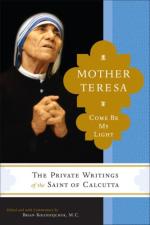 In his sermon on “Serving: Outward,” Pastor Bob began with some personal thoughts from Mother Teresa on being “something truly beautiful for God.” The book “Mother Teresa: Come Be My Light“ is a controversial memoir and compilation of the private writings of the “Saint of Calcutta.” It is filled with insights, challenging thoughts, and personal struggles that will help you see the heart and dedication of a godly woman who considered herself the “Saint of Darkness.”
 In the final sermon in the Posture and Practice Series, Pastor Bob talked about the discipline of Celebration. Obviously, the classic book on Christian disciplines is Richard Foster’s book “Celebration of Discipline.” I would highly recommend Foster’s book, but for those who want another view of the disciplines, John Ortberg has written ‘The Life You’ve Always Wanted: Spiritual Disciplines for Ordinary People.” Here is what Richard Foster said about Ortberg’s book,

 Silverton Friends Church